
A locksmith business came to us offering three core services (24-hour emergency auto locksmith, commercial locksmith, and residential locksmith) with a clear goal: get found by customers the moment they need help.
Locksmith searches are urgent, local, and highly competitive, so ranking well can mean the difference between a locked-out customer calling you or a competitor. Over a 5-month project in 2025, we built a search strategy around all three service lines, and the results were strong: 2.1 million impressions and 12.2K clicks from Google Search. In this case study, we break down what we did, what worked, and where we’re taking the campaign next.
Project Overview
This project focused on growing the organic search presence of a locksmith business that serves customers across three service lines. Each one attracts a different type of searcher, so each needed its own approach.
- 24-Hour Emergency Auto Locksmith: Urgent, high-intent searches from drivers locked out of their cars, who usually call the first result they see.
- Commercial Locksmith: Business owners and property managers looking for access control, lock upgrades, and rekeying.
- Residential Locksmith: Homeowners and tenants who need lock changes, rekeying, or help after a lockout.
| Detail | Summary |
|---|---|
| Industry | Locksmith services |
| Services covered | Emergency auto, commercial, residential |
| Project duration | 5 months |
| Year | 2025 |
| Primary channel | Organic search (Google) |
| Total impressions | 2.1M |
| Total clicks | 12.2K |
| Average CTR | 0.6% |
Project goal: Increase visibility for high-intent locksmith searches and turn that visibility into traffic and calls across all three services.
Our approach: We treated each service as its own search opportunity, with dedicated pages, targeted keywords, and messaging that matched what each customer type needed in that moment.
What We Found (Visibility Before the Campaign)
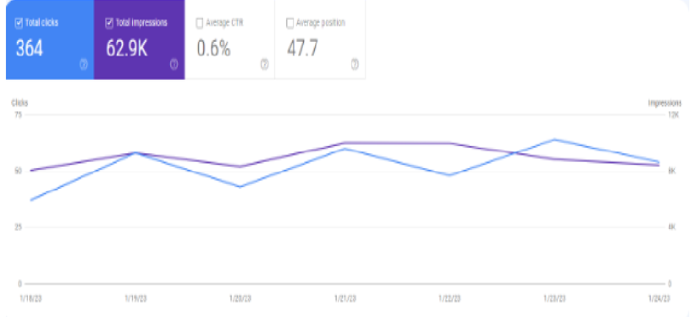
Before we started, we pulled the site’s Google Search Console data to see where it stood. The baseline showed a site that Google was aware of but that wasn’t ranking well enough to win customers.
| Metric | Before the Campaign |
|---|---|
| Total clicks | 364 |
| Total impressions | 62.9K |
| Average CTR | 0.6% |
| Average position | 47.7 |
The key finding was the average position of 47.7. That puts the site around page 5 of Google, far below where locksmith customers look. Someone locked out of their car or home rarely scrolls past the first few results, so the site was visible in theory but almost never seen in practice.
The performance chart also showed that clicks and impressions stayed flat day after day, with no real upward trend. Without a change in strategy, the numbers were not going to grow on their own.
What this told us:
- The site had a foundation. It was already earning tens of thousands of impressions.
- Rankings were the main barrier. Pages sat too far down the results to attract urgent, high-intent searches.
- There was a clear opportunity. Moving key pages from page 5 toward page 1 could multiply clicks without needing more impressions.
This became the focus of the campaign: lift rankings across emergency auto, commercial, and residential locksmith searches.
1. Google Search Console
We started by reviewing the site’s Search Console data to see which queries, pages, and devices were driving impressions. This showed us which service pages were being shown but not clicked, and which keywords sat just outside page 1. We also checked for indexing errors, coverage issues, and manual actions that could be holding the site back.
2. Google Business Profile (GBP)
Next, we audited the existing Google Business Profile for accuracy and completeness. We checked the business name, address, phone number, service areas, categories, hours, and photos. For a 24-hour emergency locksmith, an incomplete or inconsistent profile means missed calls at the moment customers are ready to book.
3. Site-wide SEO Audit
We ran a full audit of the website to find the issues limiting rankings across all three service lines. This covered site structure, duplicate or thin pages, missing metadata, broken links, and gaps in service-page coverage. The findings became a prioritized action list, with the highest-impact fixes first.
4. Website Loading Speed
Locksmith customers are often stressed, on mobile, and in a hurry, so a slow site loses them quickly. We tested page speed and Core Web Vitals on mobile and desktop, then addressed the common causes of slowdowns: oversized images, unused scripts, and weak caching.
5. Technical SEO
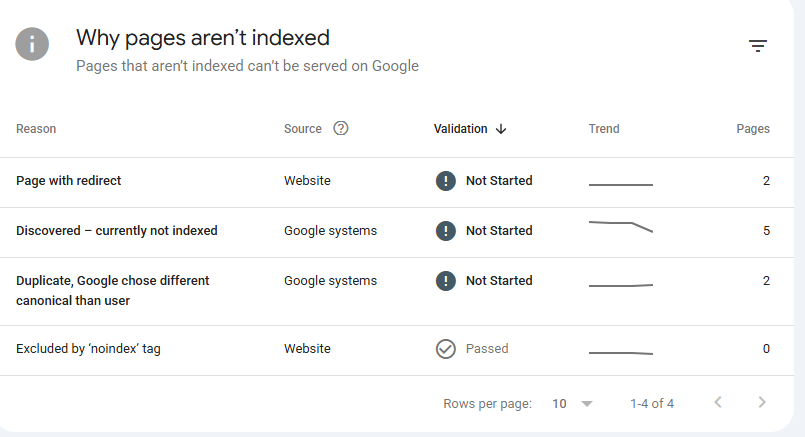
We fixed the technical barriers that stop Google from crawling and understanding the site. This included XML sitemap and robots.txt checks, canonical tags, redirect and 404 cleanup, mobile usability, HTTPS, and structured data (LocalBusiness schema) to help search engines read each service page.
6. On-Page SEO
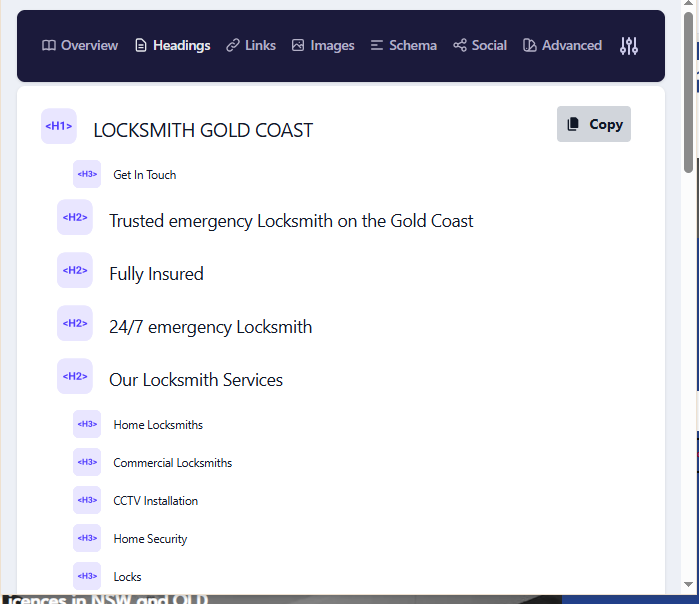
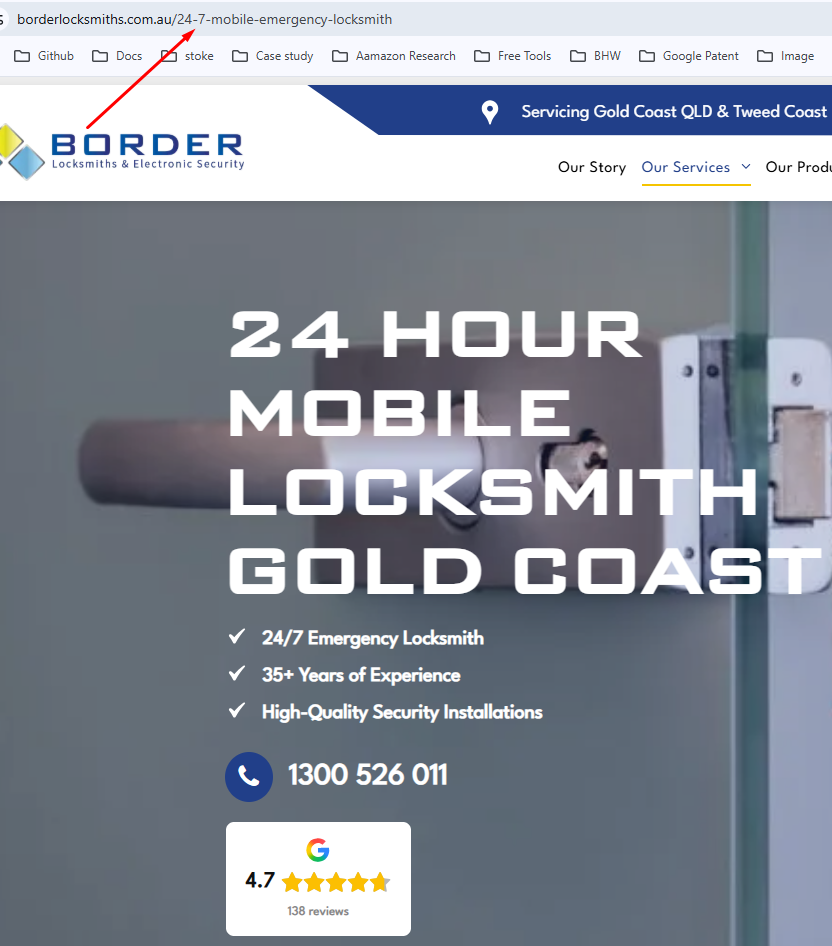
Each service line got its own targeted page optimization: title tags, meta descriptions, headings, internal links, and URL structure. Emergency auto, commercial, and residential pages were each aligned to the keywords and intent of their customer type, so they stopped competing with each other.
7. Local SEO & Google Business Profile
We then optimized the GBP and the wider local presence. This included choosing the right primary and secondary categories, listing all services, adding service areas, uploading fresh photos, and publishing regular updates. We also cleaned up local citations so the business name, address, and phone number matched across directories.
8. Content Optimizations
We refreshed existing content and filled the gaps. Service pages were expanded with clearer explanations, pricing and response-time expectations, FAQs, and strong calls to action. The aim was content that answers urgent questions quickly and moves visitors to call.
9. Off-Page SEO & Reputation Audit
We reviewed the site’s backlink profile and online reputation. This covered link quality, toxic or irrelevant links, brand mentions, and customer reviews across Google and other platforms. We then built a plan to earn relevant local links and improve review volume and response quality, both of which influence local rankings and customer trust.
10. Website Health
Website health was monitored throughout the project, not just at the start. We tracked crawl errors, indexing status, speed, and mobile performance on a regular schedule, so new issues were caught and fixed before they could hurt rankings.
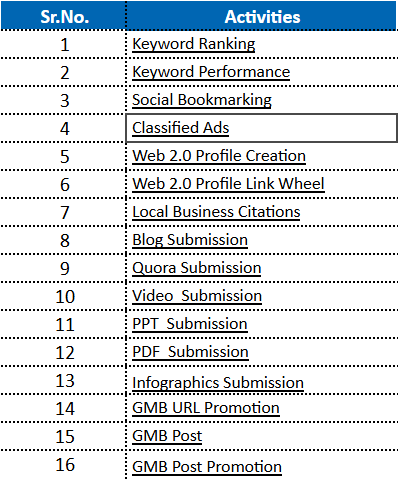
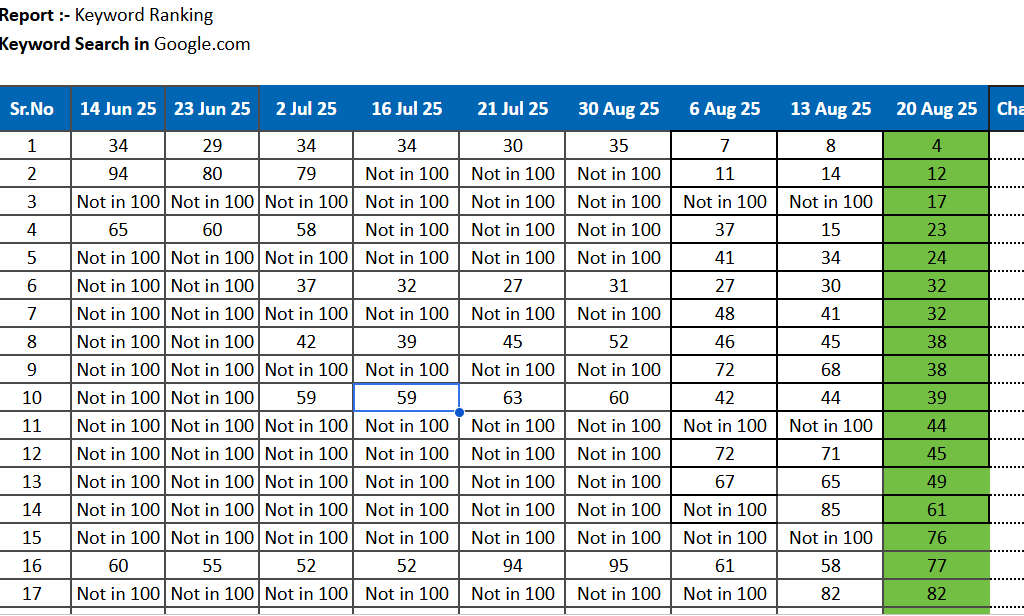
11. Existing Website Keyword Rankings
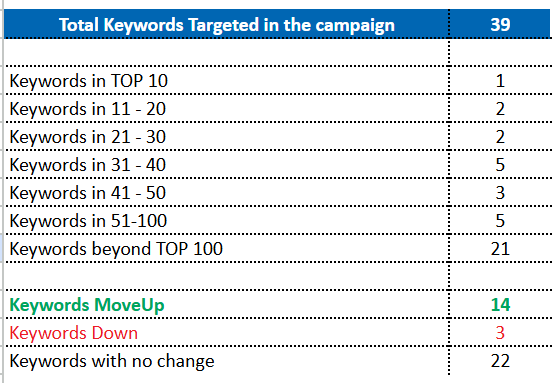
We documented the site’s keyword rankings before the campaign and tracked them as work progressed. This showed which terms were moving toward page 1 and which service pages needed more attention, and it kept our priorities tied to actual ranking movement.
12. Google Maps Rankings
Since many locksmith searches show the local map pack first, we tracked Google Maps visibility separately. We monitored how the business appeared for emergency, commercial, and residential searches across its service area, and used that data to guide GBP and local SEO improvements.
Key Growth Challenges
Before the campaign, several issues were holding the business back from winning customers in a highly competitive local market.
Low Rankings Despite Existing Visibility
- The site was earning 62.9K impressions at an average position of 47.7, which is around page 5. Google knew the site existed, but it was ranking too low for urgent, high-intent searches. Customers who are locked out rarely scroll past the first few results.
Three Services, Three Different Audiences
- Emergency auto, commercial, and residential locksmith searches each come from a different type of customer with different needs and urgency. The website was not built to serve all three clearly, so service pages risked competing with each other or being too thin to rank.
A Very Competitive Local Market
- Locksmith is one of the most competitive local service categories. Established competitors, lead-generation directories, and aggregator sites all fight for the same map pack and top organic positions.
Weak Local and Map Pack Visibility
- Many locksmith customers click from the Google Maps results before they ever see organic listings. An incomplete or underoptimized Google Business Profile, along with inconsistent local citations, limited the business’s chances of appearing there.
Low Click-Through Rate
- At a 0.6% CTR, the site was showing up but rarely getting clicked. Weak titles, vague meta descriptions, and low rankings all contribute, and each one needed attention.
Technical and Speed Barriers
- Locksmith searches are mostly on mobile, from people in a hurry. Slow load times, technical errors, and poor mobile experience can send those visitors straight back to the results page.
Limited Trust Signals
- In a service where customers let someone into their home, car, or business, trust matters. Few reviews, limited reputation signals, and a thin backlink profile make it harder to outrank competitors and convince people to call.
Our SEO Implementation & Optimization Process
1. We Restructured Their Technical SEO Foundation
We started by fixing what stopped Google from crawling and understanding the site properly. That meant cleaning up the XML sitemap and robots.txt, resolving broken links and redirect chains, fixing canonical tags, and improving mobile usability and page speed. We also added LocalBusiness schema so search engines could clearly read each service page. With a stable foundation in place, every later improvement had a better chance of ranking.
2. We Identified New Keywords And Optimized Their SEO Strategy
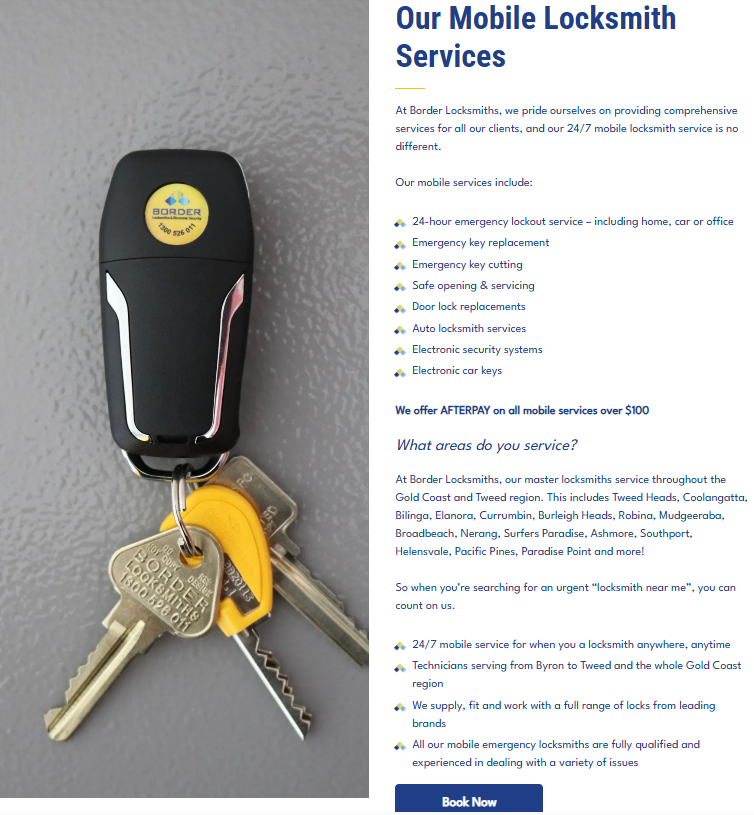
Next, we researched the searches real customers use in each service line, from urgent terms like “emergency car lockout near me” to commercial rekeying and residential lock change queries. We grouped keywords by intent and location, then mapped each one to a single page. This stopped pages from competing with each other and gave the campaign a clear target for every service.
3. We Optimized Their Key Pages for Better Visibility
With the keyword map ready, we optimized the pages that matter most: the emergency auto, commercial, and residential service pages. We rewrote title tags and meta descriptions to earn more clicks, tightened headings, improved internal linking, and added clear calls to action and click-to-call buttons. Since the baseline CTR was only 0.6%, better search snippets were a priority.
4. We Improved Their Local Footprint
Because locksmith customers often choose from the map results, we strengthened the business’s local presence. We optimized the Google Business Profile with the right categories, services, service areas, photos, and regular posts. We also cleaned up local citations so the business name, address, and phone number matched everywhere, and we worked on increasing and answering customer reviews.
5. We Optimized Their Content for Semantics
We expanded thin service pages with content that covers each topic fully, including related terms, common customer questions, response times, the types of locks and vehicles handled, and the areas served. We added FAQ sections written in the way customers actually ask questions. This helps Google understand the full context of each service and helps pages rank for a wider range of related searches.
6. We Build Their Authority Through Off-Page SEO & Link Building
To build trust with search engines and customers, we reviewed the backlink profile and then earned relevant links from local directories, industry listings, and community sources. We avoided low-quality links and focused on relevance. Alongside this, we supported review growth and reputation signals, which matter a great deal for a service that customers let into their home, car, or business.
7. We Reaudited The Website After Optimization
Once the main work was done, we ran a second full audit to confirm the fixes held and to catch anything new. We rechecked technical health, speed, indexing, keyword rankings, and Google Maps visibility, then compared the results with the original baseline. This showed what worked and gave us a priority list for the next phase, including further CTR improvements.
Project Outcome
After the campaign, the site grew from a small baseline into a much larger search presence. Google Search Console shows the site earning far more impressions and clicks across all three service lines: emergency auto, commercial, and residential locksmith.
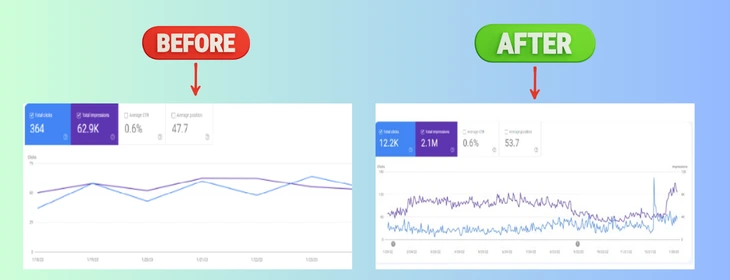
| Metric | Before | After | Change |
|---|---|---|---|
| Total clicks | 364 | 12.2K | 33x+ |
| Total impressions | 62.9K | 2.1M | 33x+ |
| Average CTR | 0.6% | 0.6% | Stable |
| Average position | 47.7 | 53.7 | See below |
What the results show
Visibility grew about 33 times. Impressions rose from 62.9K to 2.1M, which means the site now appears for far more locksmith searches across auto, commercial, and residential services.
Clicks grew at the same pace. Traffic went from 364 to 12.2K clicks. Because CTR held steady at 0.6% while impressions multiplied, every extra impression brought a proportional number of new visitors.
Average position moved from 47.7 to 53.7, and that is expected. Average position is calculated across every keyword a site appears for. As the site started showing up for thousands of new keywords, many of them entered at lower positions, which pulled the average down even as total visibility and clicks surged. In other words, the site expanded into new territory faster than it could push every keyword up to page 1.
Final Results
Over the course of the project, the locksmith business grew from a small search presence into a far more visible one. Google Search Console now shows 12.2K clicks and 2.1M impressions across emergency auto, commercial, and residential locksmith searches, compared with a baseline of 364 clicks and 62.9K impressions.
This project was delivered by Local SEO Manchester, a team that helps local service businesses get found by customers at the moment they need help. If your locksmith business is getting impressions but not enough calls, get in touch with Local SEO Manchester for a free review of where you stand and where the biggest opportunities are.